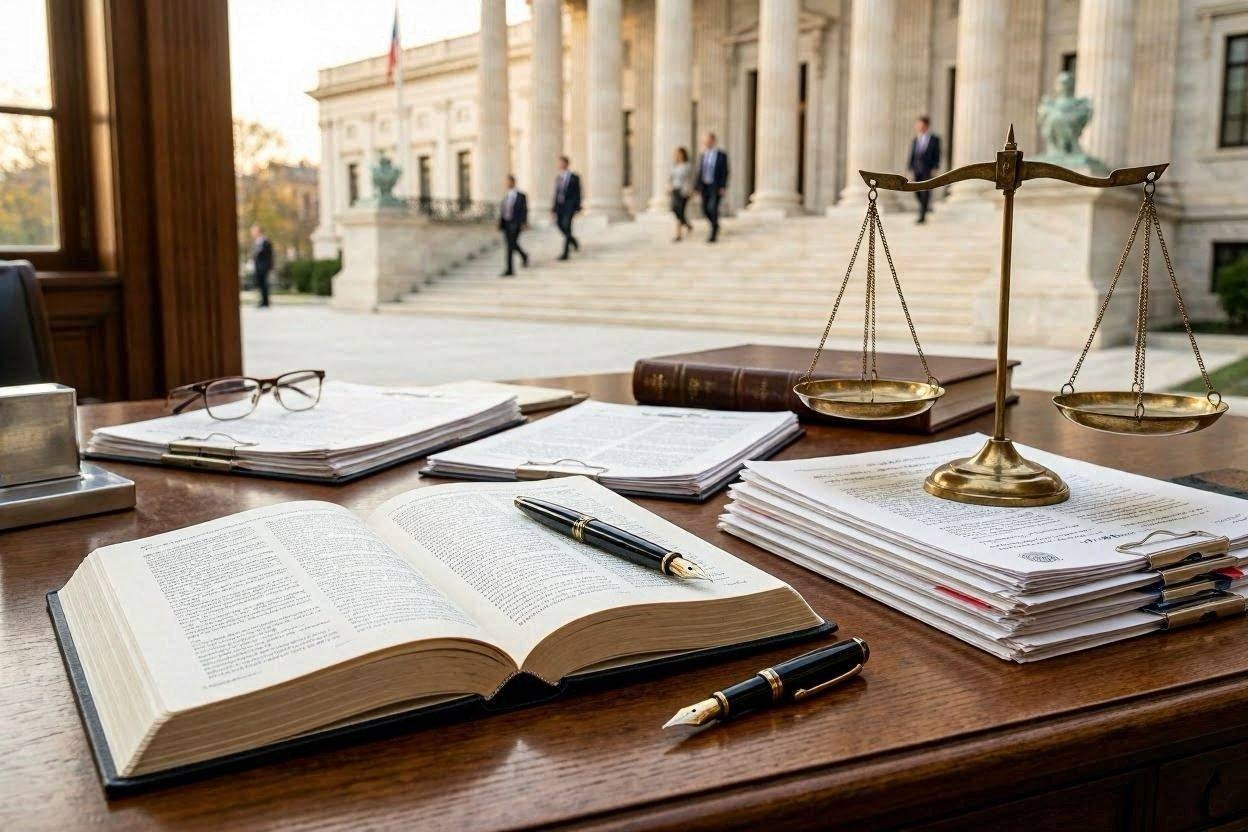
Trust with the Constitution: Vacancies, Bye-Elections and Election Petitions
India's constitutional democracy rests upon the principle that elected representatives derive their legitimacy from the people. To ensure uninterrupted democratic governance, the Constitution and election laws establish mechanisms for filling vacancies, conducting bye-elections, and resolving election disputes. However, recurring delays in these processes have raised concerns about constitutional accountability and public trust in democratic institutions.
Constitutional Basis for Filling Vacancies
Vacancies in Parliament and State Legislatures may arise due to death, resignation, disqualification, conviction, or other circumstances leading to the cessation of a member's office. The Constitution envisages continuous representation of citizens and therefore requires such vacancies to be filled through bye-elections within a reasonable timeframe.
Section 151A of the Representation of the People Act, 1951 mandates that a bye-election should ordinarily be conducted within six months from the date of occurrence of the vacancy, subject to limited exceptions such as proximity to the expiry of the legislative term or extraordinary circumstances recognized by the Election Commission of India.
The Importance of Bye-Elections
Bye-elections serve a constitutional function beyond merely filling vacant seats. They ensure that citizens remain represented in legislative bodies and provide voters with an opportunity to express their contemporary political preferences. In many instances, bye-election results are also viewed as indicators of public sentiment regarding governmental performance.
Timely conduct of bye-elections is therefore integral to democratic legitimacy. Prolonged vacancies can deprive constituents of representation and weaken legislative accountability.
Election Petitions and Electoral Justice
Election petitions constitute the primary legal mechanism for challenging election results. Articles 329(b) of the Constitution and the Representation of the People Act, 1951 provide that disputes relating to elections can only be adjudicated through election petitions before designated courts.
Grounds for challenging an election include corrupt practices, improper acceptance or rejection of nominations, non-compliance with electoral laws, and other irregularities that materially affect election outcomes.
The judiciary has consistently emphasized that election petitions are not ordinary civil disputes. They concern the democratic rights of citizens and the legitimacy of elected representatives. Consequently, their expeditious disposal is essential to preserving public confidence in electoral institutions.
The Challenge of Delayed Adjudication
One of the most persistent concerns in India's electoral framework is the prolonged pendency of election petitions. In several cases, petitions remain unresolved for years, occasionally extending close to the completion of the legislative term itself.
Such delays raise significant constitutional concerns. If disputes regarding the validity of an election are decided only after most of the representative's tenure has expired, the effectiveness of judicial review becomes substantially diminished. The constitutional promise of free and fair elections requires not only access to legal remedies but also timely adjudication.
Constitutional Morality and Democratic Trust
The constitutional scheme governing vacancies, bye-elections, and election petitions reflects a broader commitment to democratic accountability. Citizens expect legislative seats to remain occupied by duly elected representatives and election disputes to be resolved without undue delay.
The Election Commission, legislatures, courts, and political actors all share responsibility for maintaining trust in electoral processes. Timely bye-elections, efficient dispute resolution, and strict adherence to constitutional principles strengthen the credibility of democratic institutions.
Way Forward
Strengthening electoral trust requires institutional reforms aimed at ensuring faster disposal of election petitions and strict compliance with timelines for conducting bye-elections. Dedicated election benches, procedural streamlining, and enhanced judicial capacity may contribute to achieving these objectives.
Ultimately, constitutional democracy depends not merely on conducting elections but on safeguarding the integrity of representation throughout the electoral cycle. Vacancies must be filled promptly, disputes must be resolved efficiently, and constitutional commitments must be translated into practical realities that inspire public confidence.
Conclusion
The constitutional framework governing vacancies, bye-elections, and election petitions embodies the principle that democratic representation must remain continuous, accountable, and legitimate. Preserving public trust requires timely electoral processes and effective legal remedies. As India's democracy evolves, adherence to these constitutional obligations remains indispensable to strengthening democratic governance and the rule of law.